
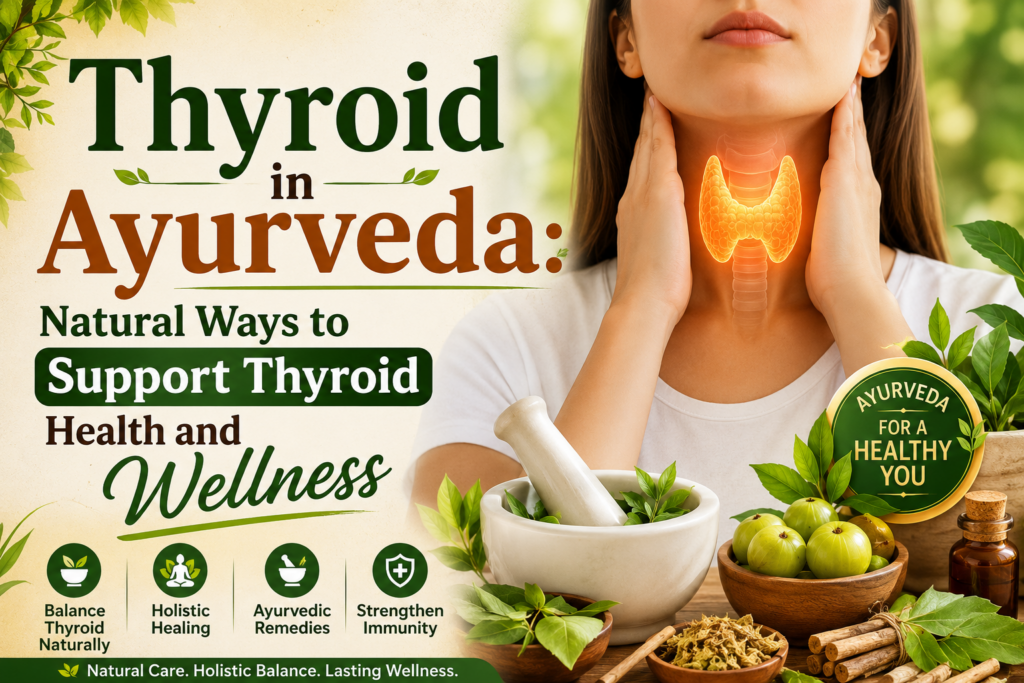
Thyroid in Ayurveda: Natural Ways to Support Thyroid Health and Wellness
Thyroid in Ayurveda: Understanding Thyroid Health Holistically
Thyroid disorders are becoming increasingly common and can affect energy levels, metabolism, digestion, sleep, mood, and overall quality of life. Thyroid in Ayurveda is approached from a holistic perspective, focusing not only on symptoms but also on digestion, lifestyle, stress, diet, and the balance of Vata, Pitta, and Kapha doshas.
Ayurveda emphasizes individualized wellness and aims to support the body’s natural balance through appropriate diet, daily routines, yoga, herbs, and therapies under professional guidance.
Important: Ayurvedic approaches should complement, not replace, medical diagnosis and treatment for thyroid disorders.
What Is the Ayurvedic Perspective on Thyroid Health?
In Ayurveda, overall health is closely connected with Agni (digestive/metabolic fire) and the balance of the three doshas—Vata, Pitta, and Kapha.
The symptoms associated with thyroid disorders can vary considerably.
Hypothyroidism and Kapha
Hypothyroidism may involve symptoms such as:
- Weight gain
- Fatigue and low energy
- Hair fall
- Feeling unusually cold
- Sluggishness
- Reduced metabolic activity
From an Ayurvedic perspective, these symptoms may be associated with Kapha imbalance and weakened Agni.
Hyperthyroidism and Vata-Pitta
Hyperthyroidism may be accompanied by:
- Unexplained weight loss
- Anxiety or restlessness
- Excessive sweating
- Feeling unusually warm
- Increased heart rate
- Difficulty relaxing or sleeping
Ayurvedic practitioners may consider Vata and Pitta imbalances when assessing such symptoms.
However, these Ayurvedic associations are traditional interpretations and cannot be used to diagnose a thyroid disorder.
Common Factors That May Affect Thyroid Wellness
Ayurveda gives significant importance to lifestyle and digestion. Some factors highlighted in Ayurvedic wellness practices include:
1. Poor Digestion and Mandagni
Ayurveda considers healthy digestion essential for overall well-being. Mandagni, or weakened digestive fire, is traditionally associated with impaired digestion and metabolism.
2. Ama and Metabolic Imbalance
Ama is an Ayurvedic concept referring to incompletely processed substances associated with impaired digestion. Ayurvedic approaches often focus on supporting healthy digestion and elimination.
3. Stress and Poor Lifestyle
Chronic stress, insufficient sleep, sedentary habits, and irregular daily routines can negatively affect overall health and well-being.
4. Unbalanced Diet
A nutritious, balanced diet is an important foundation for maintaining energy, metabolism, and general wellness.
Ayurvedic Herbs for Thyroid Wellness
Several herbs are traditionally used in Ayurveda for supporting general health and maintaining doshic balance. The infographic highlights:
Ashwagandha
Ashwagandha is a well-known Ayurvedic herb traditionally used to support stress management, energy, and general vitality.
Kanchanarguggulu
Kanchanarguggulu is a classical Ayurvedic formulation traditionally used in certain Ayurvedic conditions. Its suitability depends on the individual’s health status and should be determined by a qualified practitioner.
Brahmi
Brahmi is traditionally associated with mental calmness, concentration, and nervous-system wellness.
Important: Herbs are not automatically safe or suitable for everyone with a thyroid disorder. Some may interact with medicines or affect thyroid function. Always consult a qualified healthcare professional before using Ayurvedic herbs for thyroid problems.
Thyroid Diet: Healthy Eating and Lifestyle Tips
A healthy lifestyle can complement thyroid care. Consider incorporating:
- Fresh and nutritious foods
- Adequate protein and fiber
- Regular meals
- Sufficient water
- Good-quality sleep
- Daily physical activity
- Yoga and meditation
- Stress-management techniques
Rather than following a restrictive “thyroid diet,” focus on a balanced eating pattern suited to your individual nutritional needs.
Yoga and Thyroid Wellness
Yoga can be a useful component of a healthy lifestyle. Gentle yoga, breathing exercises, meditation, and relaxation techniques may help support stress management, flexibility, sleep, and overall well-being.
People with thyroid disorders should choose exercises appropriate for their health and fitness level and seek professional guidance when necessary.
Panchakarma and Thyroid Health
Panchakarma is a traditional Ayurvedic therapeutic approach involving a range of procedures selected according to an individual’s condition and Ayurvedic assessment.
Some Ayurvedic practitioners may consider Panchakarma as part of a broader wellness plan. However, it should only be performed under the supervision of a properly qualified practitioner and should not replace prescribed thyroid medication or medical treatment.
Simple Daily Tips for Thyroid Wellness
Small lifestyle changes can contribute to better overall health:
💧 Stay Hydrated
Drink sufficient water throughout the day according to your individual needs.
🧘 Manage Stress
Meditation, breathing exercises, yoga, and relaxation can support emotional well-being.
🚶 Stay Active
Regular movement and physical activity can support energy, fitness, and metabolic health.
😴 Get Enough Sleep
Maintain a consistent sleep schedule and prioritize adequate rest.
🍽️ Avoid Overeating
Eat mindfully and maintain regular, balanced meals.
🌿 Use Herbs Responsibly
Never start an Ayurvedic herbal supplement simply because it is “natural.” Seek professional advice, particularly if you take thyroid medication.
When Should You See a Doctor for Thyroid Problems?
Don’t ignore persistent symptoms such as:
- Unexplained weight gain or weight loss
- Persistent tiredness
- Hair loss
- Significant changes in heart rate
- Anxiety or unusual restlessness
- Excessive sweating
- Increased sensitivity to cold or heat
These symptoms can have many possible causes. A healthcare professional can evaluate your symptoms and, when appropriate, order thyroid blood tests such as TSH and thyroid hormone testing.
If you already have a thyroid diagnosis, continue your prescribed treatment unless your doctor advises otherwise.
Ayurveda and Modern Thyroid Care: A Balanced Approach
The best approach to thyroid wellness is one that combines appropriate medical care with healthy lifestyle practices.
Ayurveda can offer a holistic framework around diet, digestion, daily routine, stress management, yoga, and individualized wellness. These practices may complement conventional thyroid care when used responsibly and with professional guidance.
Conclusion
Thyroid in Ayurveda focuses on the broader picture of health—digestion, lifestyle, nutrition, stress, daily routine, and individual constitution. Ayurvedic herbs, yoga, dietary practices, and therapies such as Panchakarma may be considered as part of an individualized wellness approach.
However, thyroid disorders require proper medical evaluation and monitoring. A holistic approach works best when Ayurvedic wellness practices and evidence-based medical care are used responsibly together.
Frequently Asked Questions
Q1. Can Ayurveda cure thyroid problems permanently?
There is no reliable evidence that Ayurveda can permanently cure thyroid disorders. Ayurvedic practices may support general wellness but should not replace appropriate medical treatment.
Q2. Which Ayurvedic herbs are used for thyroid health?
Ashwagandha, Brahmi, and certain traditional formulations such as Kanchanarguggulu are used in Ayurvedic practice. Their suitability varies from person to person.
Q3. Is Panchakarma good for thyroid problems?
Panchakarma may be recommended by some Ayurvedic practitioners based on individual assessment, but it should be performed only under qualified supervision and should not replace medical thyroid treatment.
Q4. Can yoga help with thyroid health?
Yoga can support physical activity, relaxation, stress management, and general well-being. It should be viewed as a complementary lifestyle practice rather than a cure for thyroid disease.
Q5. What is the best diet for thyroid health?
There is no single diet that works for everyone with a thyroid disorder. A balanced, nutrient-rich diet tailored to individual needs is generally preferable to restrictive diets.